



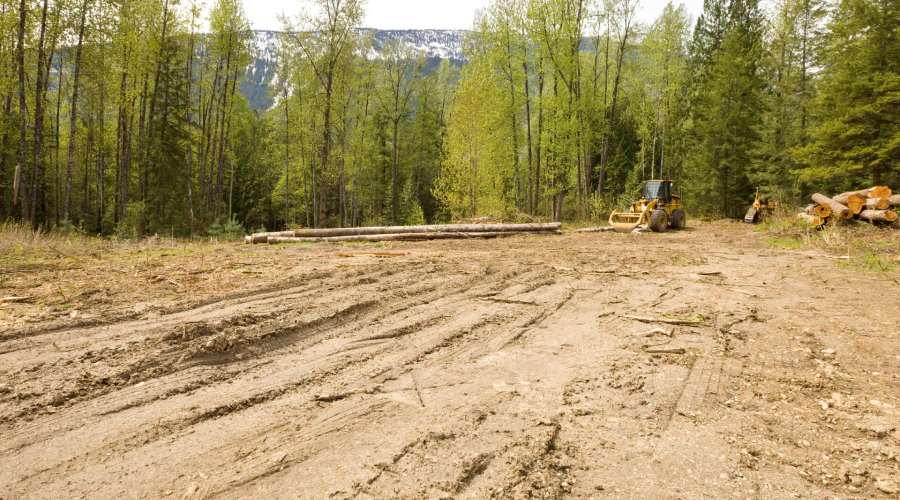
What Is Land Clearing and Why It Is Essential Before Any Project Begins
Before any construction or landscaping project can start, the site must be properly prepared. This preparation begins with land clearing, a critical step that ensures the land is safe, functional, and ready for development. In this listicle, we’ll explore what is land clearing, the role of brush clearing, site clearing and excavation, and why professional services are crucial for successful project outcomes.
1. Understanding What Is Land Clearing
At its core, land clearing is the process of removing trees, shrubs, stumps, rocks, and other obstacles from a piece of land. The goal is to create a clean, level, and safe space ready for construction, landscaping, farming, or other projects.
Land clearing involves assessing the terrain, identifying obstacles, and determining the most effective methods to remove them. It’s not just about cutting down trees, it’s about preparing the land so that subsequent work, such as grading or building, can proceed efficiently and safely.
2. The Role of Brush Clearing
A vital component of land clearing is brush clearing. Brush refers to smaller vegetation, such as shrubs, thick grass, and low-lying plants, that can obstruct construction equipment and pose fire hazards.
What is brush clearing? It is the systematic removal of this vegetation to improve accessibility, reduce risks, and prevent overgrowth that may interfere with project timelines. Proper brush clearing ensures a safer and more manageable site.
3. Supporting Site Clearing and Excavation
Site clearing and excavation go hand in hand with land clearing. Once trees and brush are removed, the land often needs to be graded, leveled, or excavated to meet the project’s requirements.
Excavation may involve digging foundations, creating drainage systems, or adjusting the slope of the land. By combining land clearing with excavation, contractors can prepare a site that is structurally ready for construction and compliant with local regulations.
4. Importance of Proper Planning
Effective land clearing requires careful planning. Before machinery is brought in, professionals assess the land’s features, such as soil type, slope, vegetation density, and potential hazards.
Planning ensures that trees or plants that should be preserved are protected, debris is disposed of properly, and the process is completed efficiently. Without this step, projects risk delays, cost overruns, and safety issues.
5. Environmental Considerations
Land clearing must balance development needs with environmental responsibility. Responsible contractors implement strategies to minimize soil erosion, protect waterways, and reduce the impact on local wildlife.
This may involve creating buffer zones, mulching removed vegetation, or coordinating with environmental agencies. Proper land clearing practices not only support the project but also help preserve the surrounding ecosystem.
6. Equipment and Techniques Used in Land Clearing
Modern land clearing relies on specialized equipment to ensure efficiency and safety. Common tools include:
- Bulldozers and excavators for large-scale clearing and leveling
- Brush cutters and mowers for dense vegetation removal
- Chainsaws for targeted tree removal
- Stump grinders for removing tree bases
Selecting the right equipment and technique depends on the site’s size, terrain, and the project’s requirements, making professional expertise essential.
7. Benefits of Land Clearing for Construction Projects
Proper land clearing offers several advantages:
- Enhanced safety: Eliminates hazards like fallen branches, uneven ground, or hidden rocks.
- Efficient workflow: Creates unobstructed space for machinery and workers.
- Accurate site preparation: Ensures grading and excavation can be done correctly.
- Regulatory compliance: Helps meet local building codes and environmental standards.
By investing in professional land clearing, developers can avoid costly mistakes and delays.
8. Land Clearing and Site Preparation for Landscaping or Agriculture
Land clearing is not limited to construction projects. For landscaping or agricultural purposes, clearing the land allows for better planting, irrigation, and accessibility.
Brush clearing, stump removal, and soil preparation are crucial steps that promote healthy growth and long-term land usability. Whether for a farm, garden, or recreational area, proper land preparation ensures optimal results.
9. Why Professional Contractors Are Key
While DIY land clearing may seem cost-effective, it comes with risks. Professionals bring experience, equipment, and knowledge of safety and environmental regulations.
Hiring experts ensures:
- Correct assessment of the land’s needs
- Efficient removal of obstacles without damaging the soil
- Safe handling of machinery and potential hazards
- Proper disposal or recycling of debris
Professional contractors streamline the process, reduce risks, and guarantee a site ready for the next phase of your project.
Final Thoughts: Making Land Clearing a Priority
Understanding what land clearing highlights its vital role in any project. From brush clearing to site clearing and excavation, these steps lay the foundation for safe, efficient, and environmentally responsible development.
By planning properly and relying on professional services, homeowners and developers can ensure their projects start smoothly, progress efficiently, and meet all safety and regulatory standards.
Whether preparing land for construction, landscaping, or agriculture, investing in thorough land clearing is a step that pays off in safety, convenience, and long-term project success.